If you want longer, fuller lashes, you may be wondering if eyelash growth serums actually work. The short answer: prescription serums containing bimatoprost (sold as Latisse) are proven effective, while over-the-counter options and home remedies have limited scientific support.
The Only FDA-Approved Eyelash Serum
Latisse is the only FDA-approved treatment to stimulate eyelash growth. It contains bimatoprost, originally discovered when glaucoma patients noticed their lashes growing longer and darker as a side effect. Clinical trials show 78% of users had significantly fuller lashes after 16 weeks, with results visible as early as 8 weeks.
Latisse requires a prescription from a doctor, usually a dermatologist or ophthalmologist. You apply it nightly to the base of your upper lashes. Results last only as long as you continue treatment—lashes return to normal after stopping.
Over-the-Counter Serums
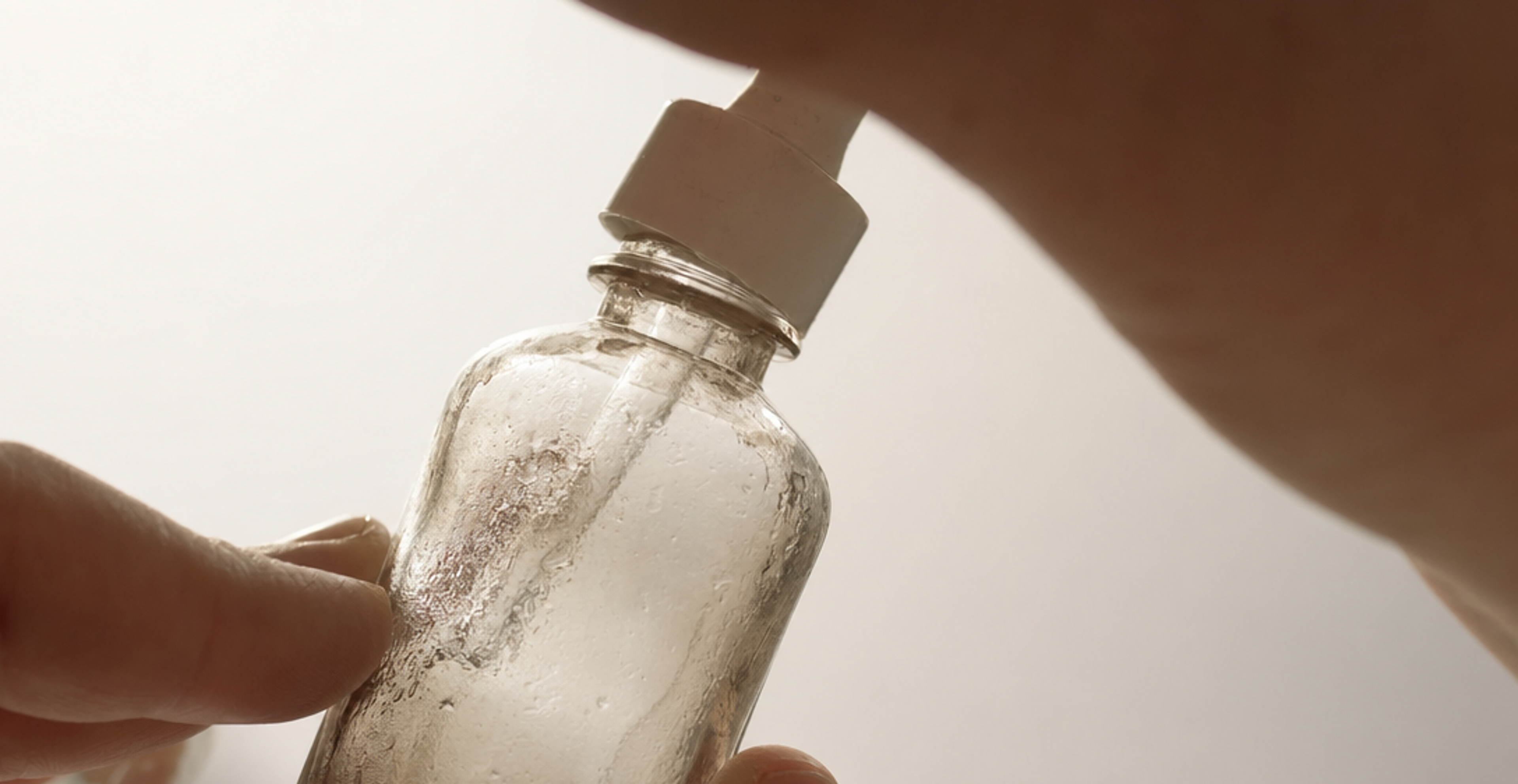
Many over-the-counter lash serums contain peptides, vitamins, or prostaglandin-like ingredients. A 2024 review in the Journal of Cosmetic Dermatology found these products show promising results, but more research is needed. They may help strengthen lashes and prevent breakage, making lashes appear thicker.
Home Remedies: Do They Work?
Many people wonder how to encourage eyelash growth naturally. Popular home remedies include castor oil, coconut oil, and Vaseline. Here's what science says about each:
Does castor oil help eyelash growth? Dermatologists say there's no scientific evidence castor oil causes lashes to grow. It may add shine and protect against breakage, but it doesn't stimulate new growth.
Can coconut oil help eyelash growth? Coconut oil is excellent at penetrating hair and preventing protein loss, which may reduce breakage. However, it doesn't directly stimulate eyelash growth.
Can Vaseline help eyelash growth? Vaseline can moisturize and protect lashes from dryness, but there's no evidence it promotes growth. It may make lashes appear fuller by coating them.
Side Effects to Consider
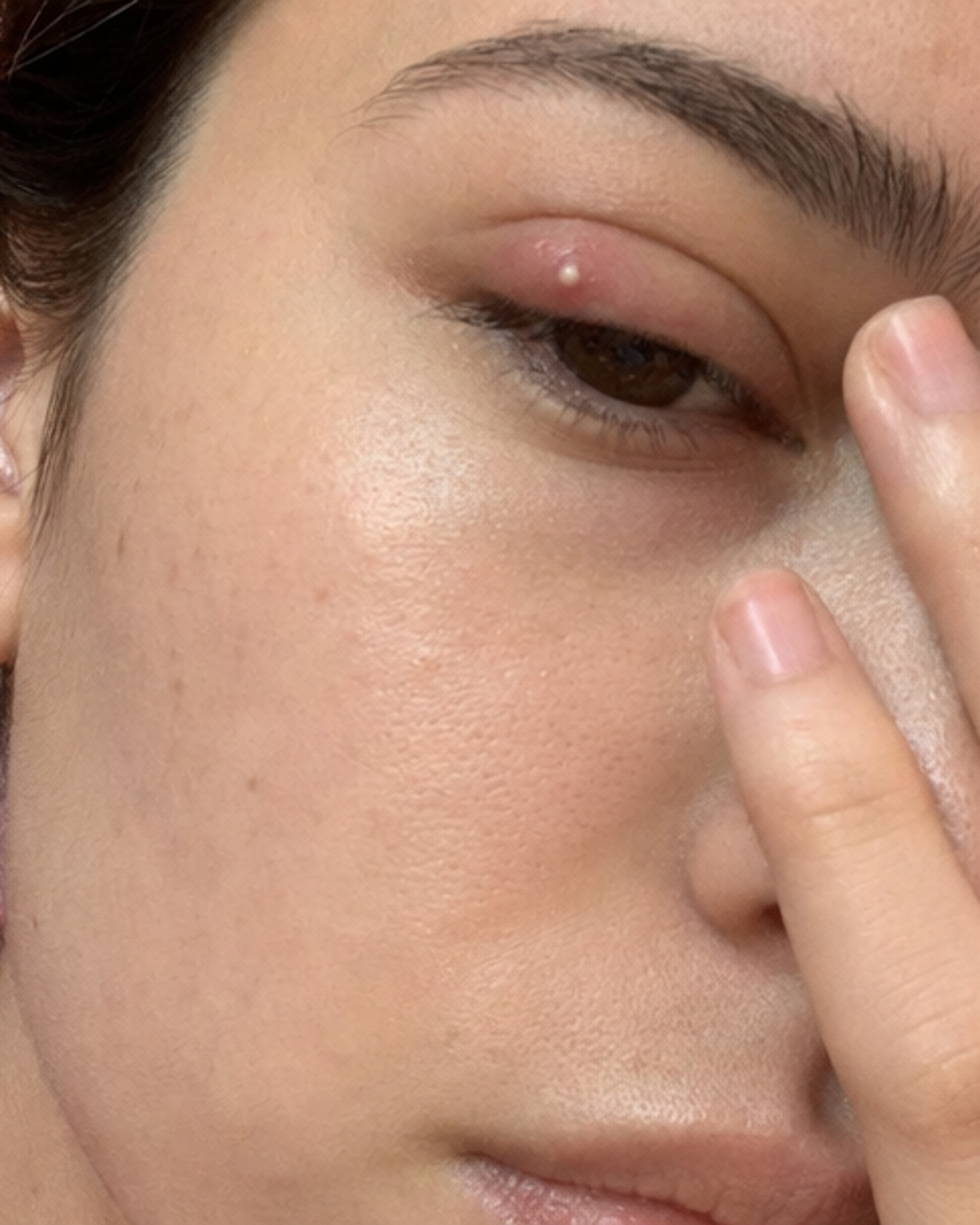
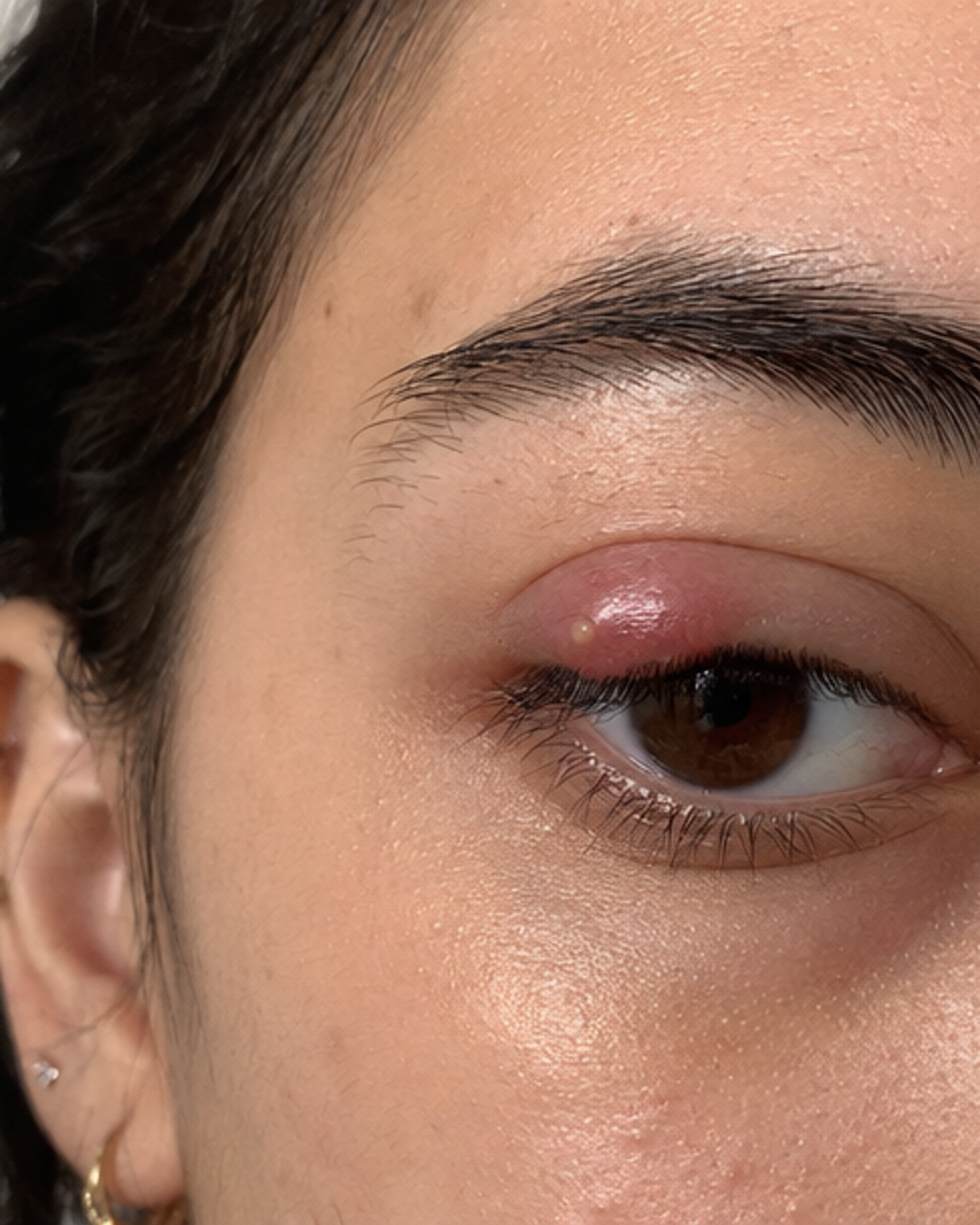
Prescription serums like Latisse can cause red or itchy eyes, eyelid darkening, and in rare cases, permanent brown discoloration of the iris. Some users experience fat loss around the eyes, creating a sunken appearance. These effects usually reverse when you stop treatment, except iris color changes.
The Bottom Line
If you want proven results to stimulate eyelash growth, prescription bimatoprost (Latisse) is your best option. Over-the-counter serums may help condition lashes, while home remedies like castor oil, coconut oil, and Vaseline can moisturize but won't cause true growth. Talk to a dermatologist about which option is right for you.
Medical Disclaimer: This article is for informational purposes only and does not constitute medical advice. Always consult with a qualified healthcare provider before starting any new skincare treatment, especially if you have underlying health conditions, are pregnant, or are taking medications.