Shingles is a painful rash caused by the varicella-zoster virus—the same virus that causes chickenpox. If you've had chickenpox, the virus stays dormant in your body and can reactivate years later as shingles. Understanding how long shingles lasts can help you know what to expect and when to seek treatment.
Typical Shingles Timeline
Shingles typically lasts 2 to 6 weeks from start to finish. Most people only get shingles once, though it can happen more than once. The infection goes through several stages:
Early stage (1-5 days before rash): You may feel burning, tingling, or pain in one area of your body. Some people get headaches, fever, or fatigue.
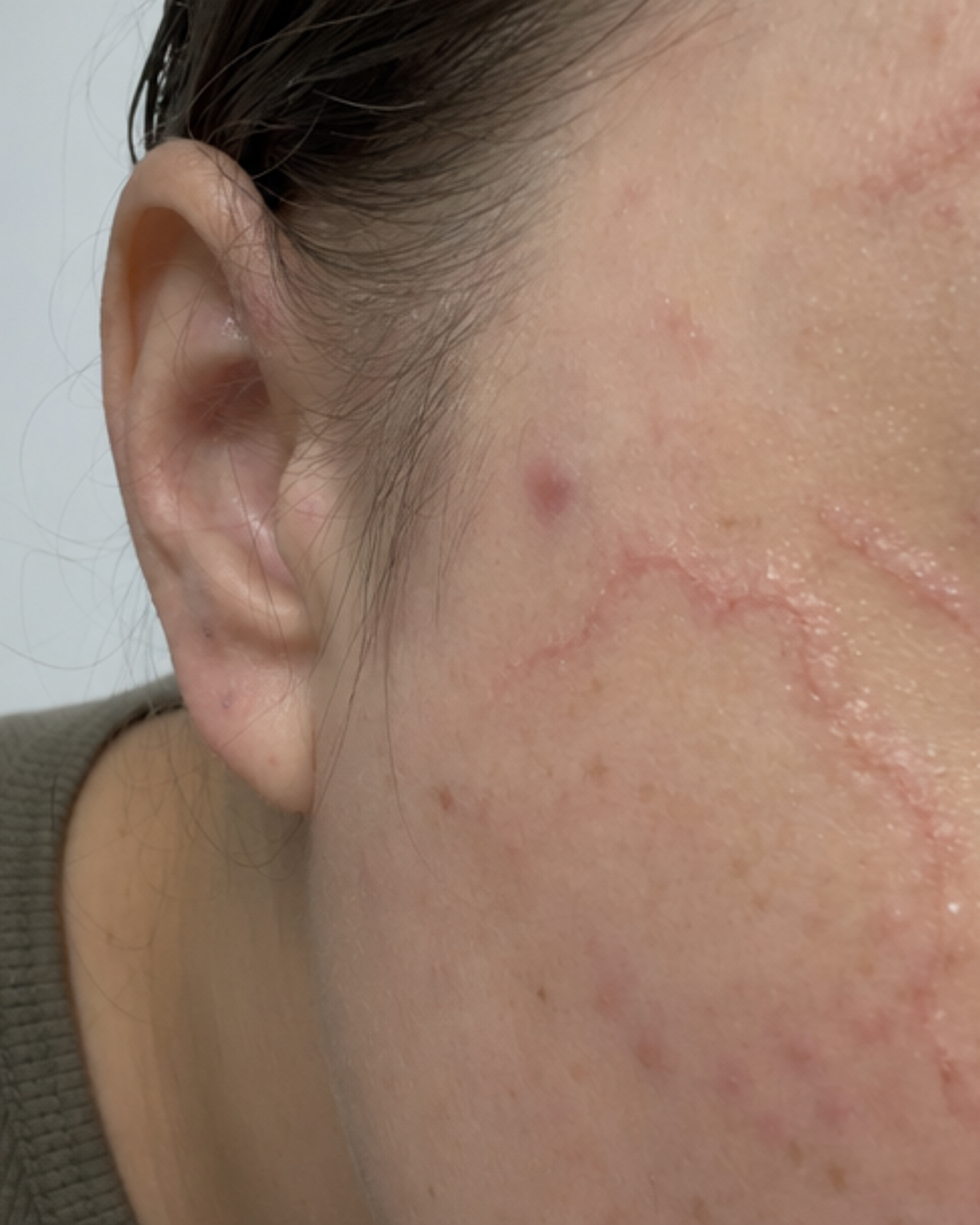
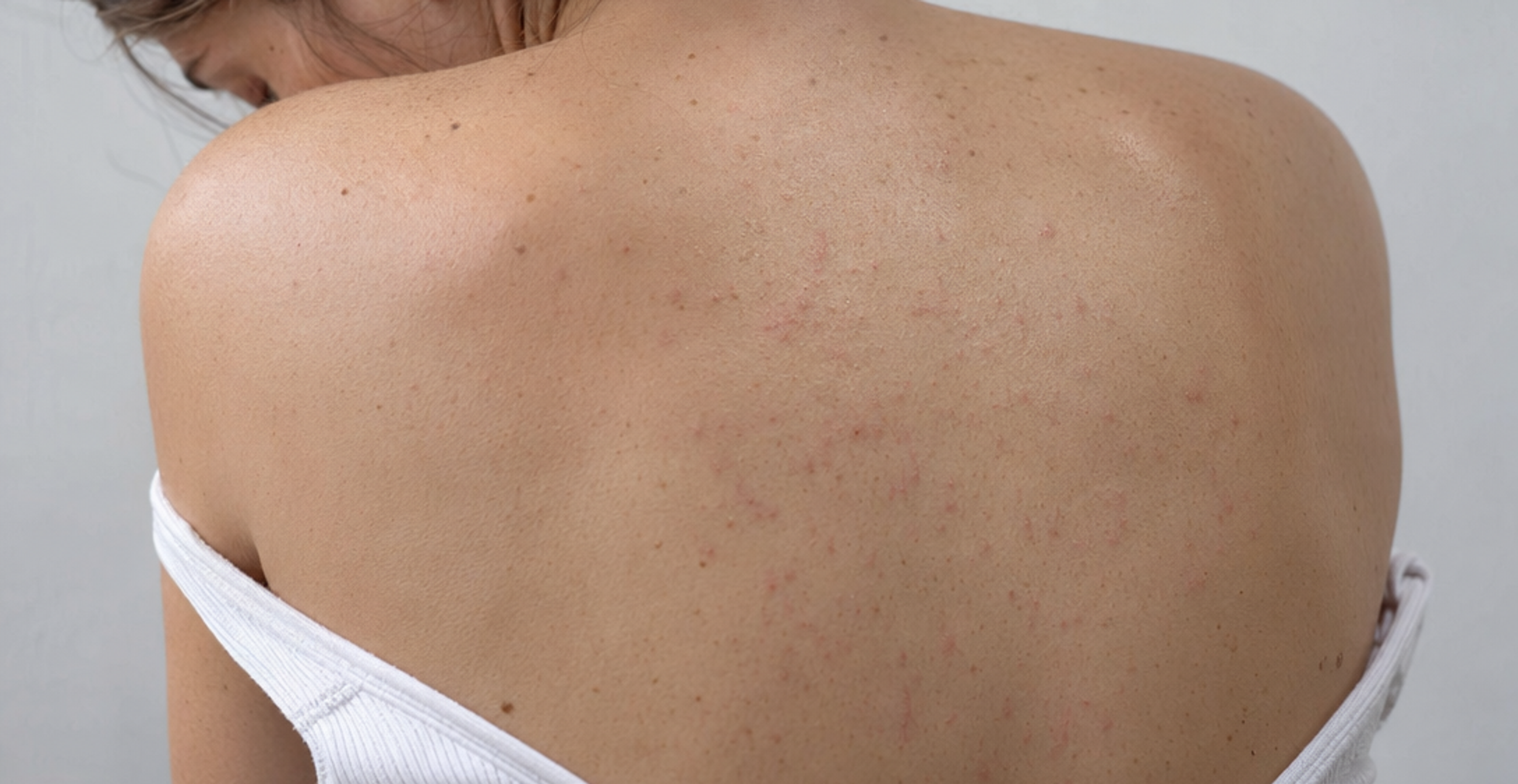
Rash stage (7-10 days): Red bumps appear and turn into fluid-filled blisters. The rash usually appears on one side of the body in a band or strip pattern.
Healing stage (1-3 weeks): Blisters dry out and form scabs. Pain usually decreases during this time.
How to Treat Shingles
Early treatment is key. Antiviral medications work best when started within 72 hours of the rash appearing. Three main antiviral drugs are used:
• Acyclovir (Zovirax)
• Valacyclovir (Valtrex)
• Famciclovir (Famvir)
These medications can shorten the illness and reduce pain. Your doctor may also recommend pain relievers, cool compresses, and calamine lotion to ease discomfort.
When Pain Lasts Longer
Some people develop postherpetic neuralgia (PHN), where pain continues for months after the rash heals. This affects about 10-18% of shingles patients and is more common in people over 50. The Shingrix vaccine is more than 90% effective at preventing shingles and PHN in adults 50 and older.
When to See a Doctor
Contact your doctor right away if you think you have shingles, especially if the rash is near your eye, you have a weakened immune system, or you're over 60. Getting treatment quickly gives you the best chance for a faster recovery.
Medical Disclaimer: This article is for informational purposes only and does not constitute medical advice. Always consult with a qualified healthcare provider before starting any new skincare treatment, especially if you have underlying health conditions, are pregnant, or are taking medications.