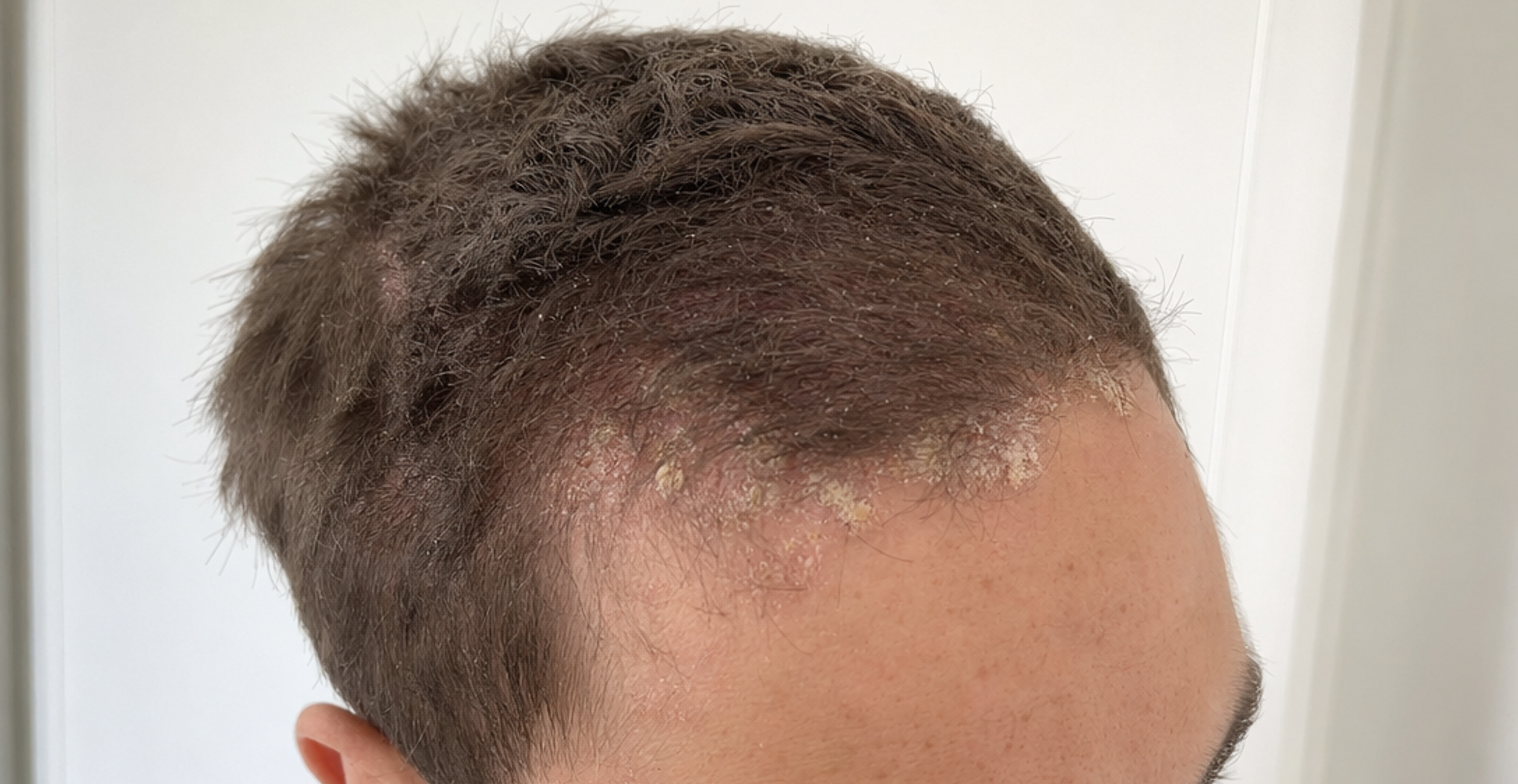
Dandruff is a common scalp condition that causes white or yellow flakes to appear in your hair and on your shoulders. It affects up to half of all adults and can be embarrassing. The good news is that once you understand what causes dandruff, it becomes much easier to treat.
The Main Cause: A Yeast Called Malassezia
Dandruff is usually caused by a yeast called Malassezia that lives on everyone's scalp. This yeast feeds on the oils your skin produces. In some people, their scalp reacts to this yeast by making skin cells grow and shed faster than normal. These extra skin cells clump together with oil and form the flakes we know as dandruff.
Not everyone with this yeast on their scalp gets dandruff. Whether you develop flakes depends on how your skin responds to it. Some people are simply more sensitive than others.
Other Factors That Cause or Worsen Dandruff
Several things can trigger or make dandruff worse. Cold, dry weather is a common cause of flare-ups. Stress and hormonal changes can also increase flaking. Having oily skin or letting hair products build up on your scalp may contribute to the problem. Certain health conditions like Parkinson's disease or a weakened immune system can make dandruff more severe.
Is Dandruff Contagious?
No, dandruff is not contagious. You cannot catch it from someone else or spread it by sharing hats, combs, or brushes. The yeast that causes dandruff already lives on everyone's skin. Dandruff happens because of how your individual scalp reacts to that yeast, not because of anything you can pass to others.
Can Dandruff Cause Hair Loss?
Dandruff itself does not directly cause hair loss. However, severe dandruff can make you scratch your scalp a lot. This scratching can damage hair follicles and lead to temporary hair shedding. Research shows that people with dandruff may shed more hair than those without it. The good news is that once you treat the dandruff, your hair growth usually returns to normal.
How to Get Rid of Dandruff
Most cases of dandruff can be treated with over-the-counter shampoos. Look for products containing zinc pyrithione, ketoconazole, selenium sulfide, or salicylic acid. Apply the shampoo to your scalp and leave it on for 5 minutes before rinsing. If one ingredient doesn't work, try another.
See a dermatologist if your dandruff doesn't improve after several weeks, or if your scalp becomes very red, itchy, or swollen.
Medical Disclaimer: This article is for informational purposes only and does not constitute medical advice. Always consult with a qualified healthcare provider before starting any new skincare treatment, especially if you have underlying health conditions, are pregnant, or are taking medications.