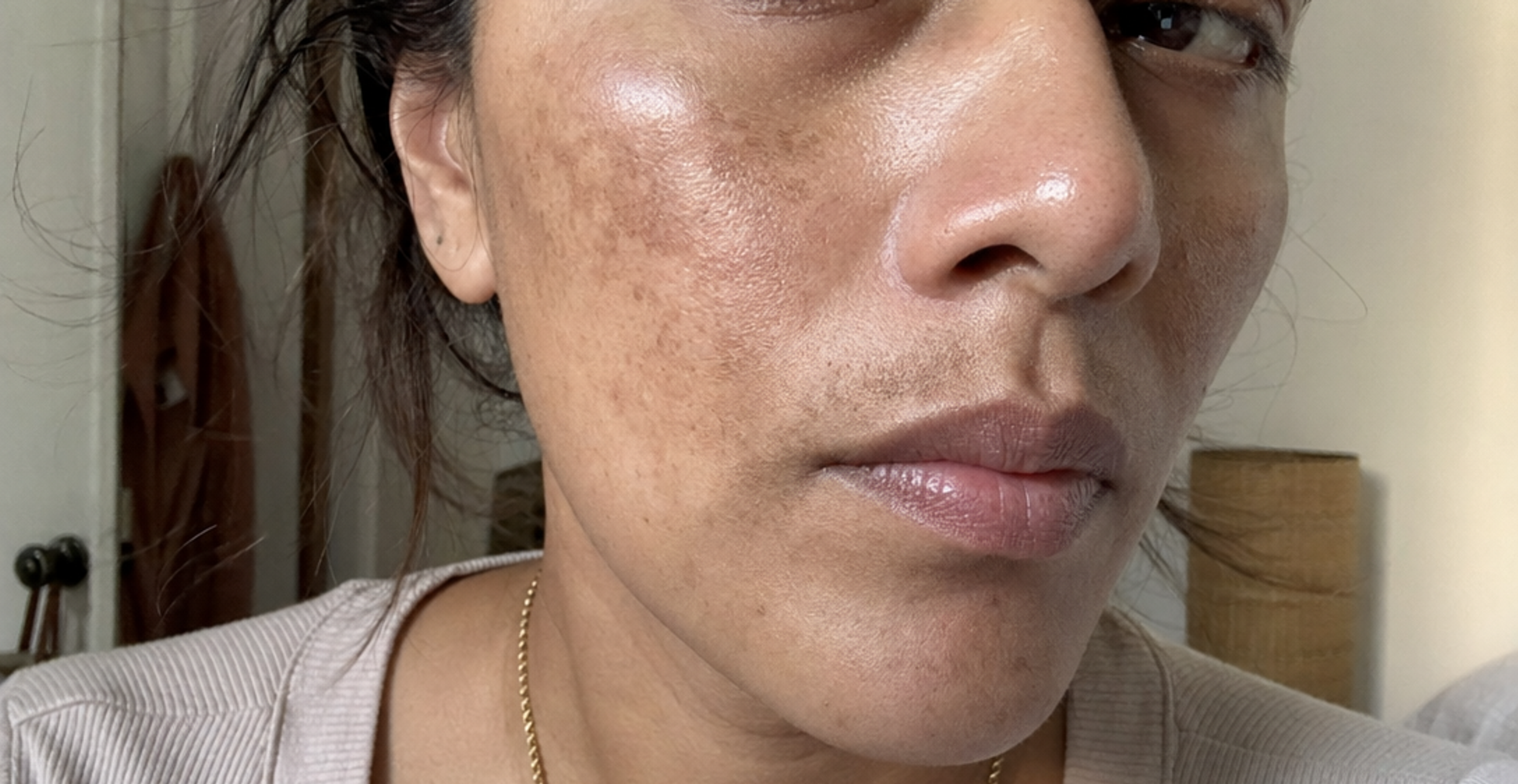
Melasma causes brown or grayish patches on the face, usually on the cheeks, forehead, nose, or upper lip. It's sometimes called the "mask of pregnancy" because it often appears during pregnancy. While melasma can be stubborn to treat, several options can help fade these dark patches and even out your skin tone.
What Is Melasma on Face?
Melasma happens when your skin makes too much pigment in certain areas. It's more common in women, especially those with darker skin tones. Sun exposure, hormonal changes, and certain medications can trigger it. The patches are not harmful but can affect how you feel about your appearance.
How to Treat Melasma with Topical Creams
Topical treatments are the first choice for melasma. Hydroquinone is the most common skin-lightening ingredient and works by reducing pigment production. It now requires a prescription. Your doctor may combine it with tretinoin and a mild steroid in a triple combination cream, which is considered the gold standard treatment.
Other options include azelaic acid, vitamin C, kojic acid, and cysteamine. These are gentler alternatives that can be used for longer periods. Many people see improvement within 2 to 3 months of consistent use.
Oral Treatments
Tranexamic acid is an oral medication that dermatologists sometimes prescribe for stubborn melasma. It helps reduce pigment production from the inside. This is often combined with topical treatments for better results.
Procedures and Lasers
Chemical peels and microneedling can help by removing pigmented skin layers. Some lasers, like low-energy Q-switched Nd:YAG, may help certain patients. However, laser treatments must be done carefully because they can sometimes make melasma worse, especially in darker skin tones.
Sun Protection Is Essential
No melasma treatment will work without strict sun protection. Use a broad-spectrum sunscreen with SPF 30 or higher every day, even on cloudy days. Tinted sunscreens that block visible light are especially helpful. Wear a wide-brimmed hat when outdoors and seek shade whenever possible.
What to Expect
Melasma often fades on its own after pregnancy or when you stop taking hormonal medications. However, it can be a long-term condition that requires ongoing treatment. Even after successful treatment, melasma commonly comes back with sun exposure. Maintenance therapy and daily sun protection are key to keeping it under control.
Medical Disclaimer: This article is for informational purposes only and does not constitute medical advice. Always consult with a qualified healthcare provider before starting any new skincare treatment, especially if you have underlying health conditions, are pregnant, or are taking medications.