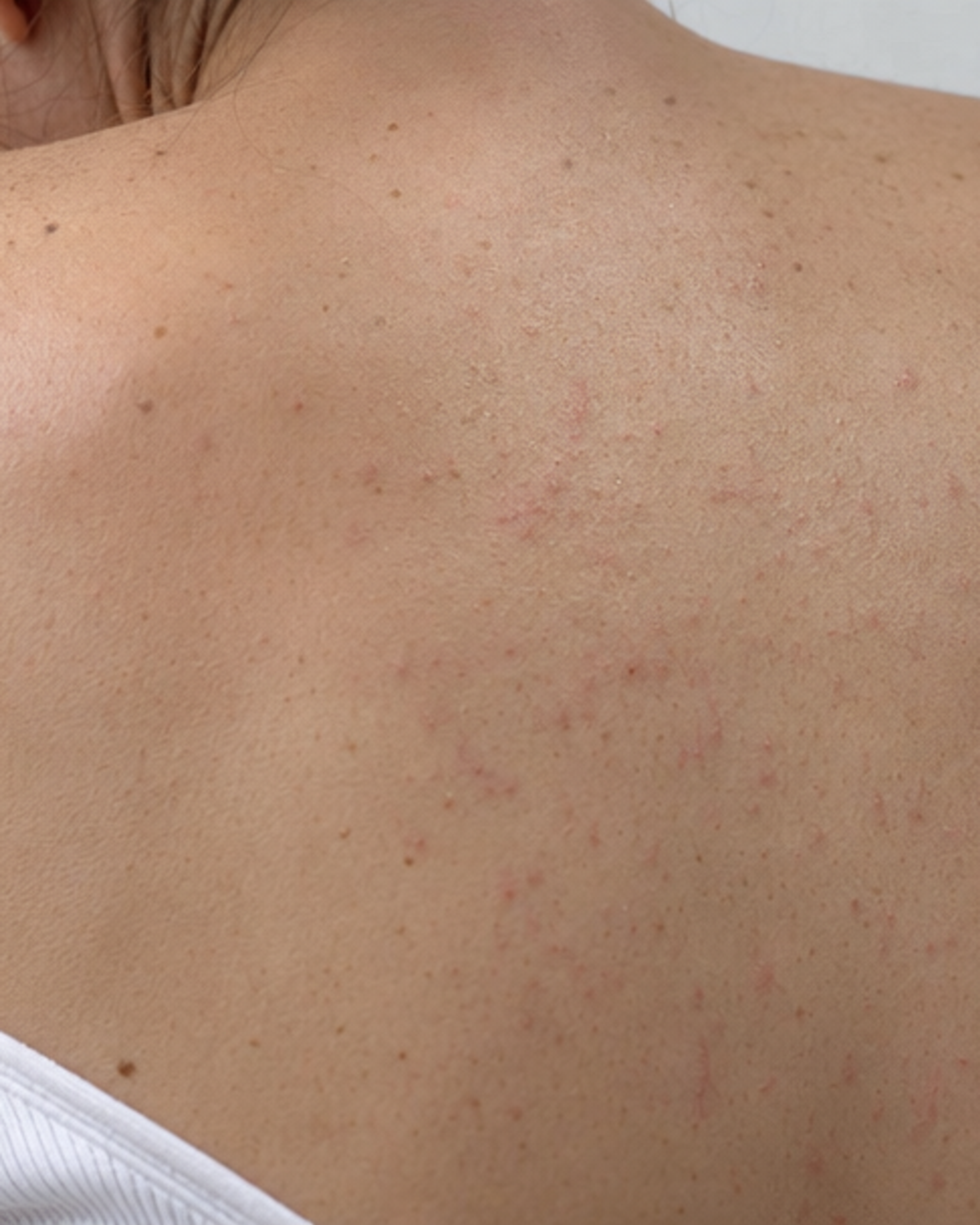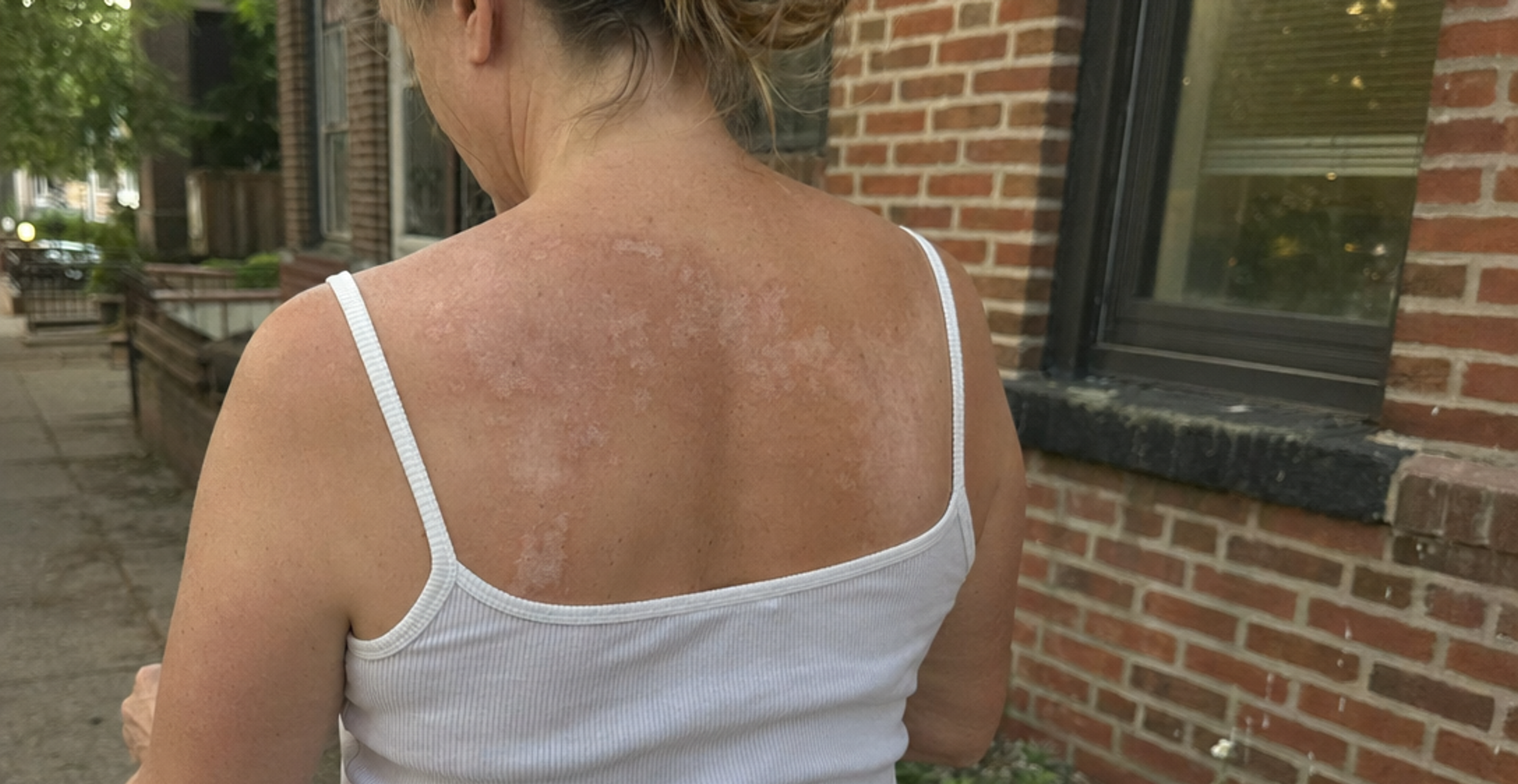
Tinea versicolor is a common fungal skin infection that causes discolored patches on your skin. Also called pityriasis versicolor, this condition happens when a type of yeast that naturally lives on your skin grows out of control.
What Causes Tinea Versicolor?
Tinea versicolor is caused by an overgrowth of Malassezia yeast. This yeast normally lives on everyone's skin without causing problems. However, certain conditions can trigger it to multiply too quickly.
Factors that increase your risk include hot, humid weather, oily skin, sweating heavily, and hormonal changes. Teens and young adults are especially prone to this condition because of increased oil production in their skin. People with weakened immune systems or those taking certain medications like corticosteroids may also develop it more easily.
Signs and Symptoms
The main sign of tinea versicolor is patches of discolored skin. These spots may appear lighter or darker than your normal skin color. Colors can range from white, pink, or tan to red or brown. The patches often show up on the chest, back, shoulders, and upper arms.
The affected areas may be slightly scaly or dry. Some people experience mild itching, but the condition is usually painless.
Is Tinea Versicolor Contagious?
No, tinea versicolor is not contagious. You cannot catch it from or spread it to another person. The yeast that causes this condition already exists naturally on everyone's skin. It only becomes a problem when it overgrows on your own skin.
Treatment Options
Tinea versicolor responds well to antifungal treatments. Over-the-counter options include antifungal creams, lotions, and shampoos containing ingredients like ketoconazole, selenium sulfide, or zinc pyrithione. For more widespread cases, a doctor may prescribe stronger topical treatments or oral antifungal medication.
Even after successful treatment, skin color may take weeks or months to return to normal. The condition often comes back, especially in warm, humid weather. Using antifungal products regularly can help prevent recurrence.
When to See a Doctor
See a dermatologist if over-the-counter treatments don't improve your symptoms after a few weeks, if the condition covers a large area of your body, or if it keeps coming back. A doctor can confirm the diagnosis and recommend stronger treatment options.
Medical Disclaimer: This article is for informational purposes only and does not constitute medical advice. Always consult with a qualified healthcare provider before starting any new skincare treatment, especially if you have underlying health conditions, are pregnant, or are taking medications.